Jennie Sweet-CushmanPolitical Scientist · Educator

Teaching

Learning to think, question, and participate

I want students to leave my courses not only knowing more about politics, but better equipped to evaluate claims, engage with disagreement, and make thoughtful choices.

Teaching philosophy

Learning by doing

My classrooms connect concepts and evidence with the political world students encounter every day. I use applied assignments, discussion, simulations, and opportunities for students to investigate real political questions.

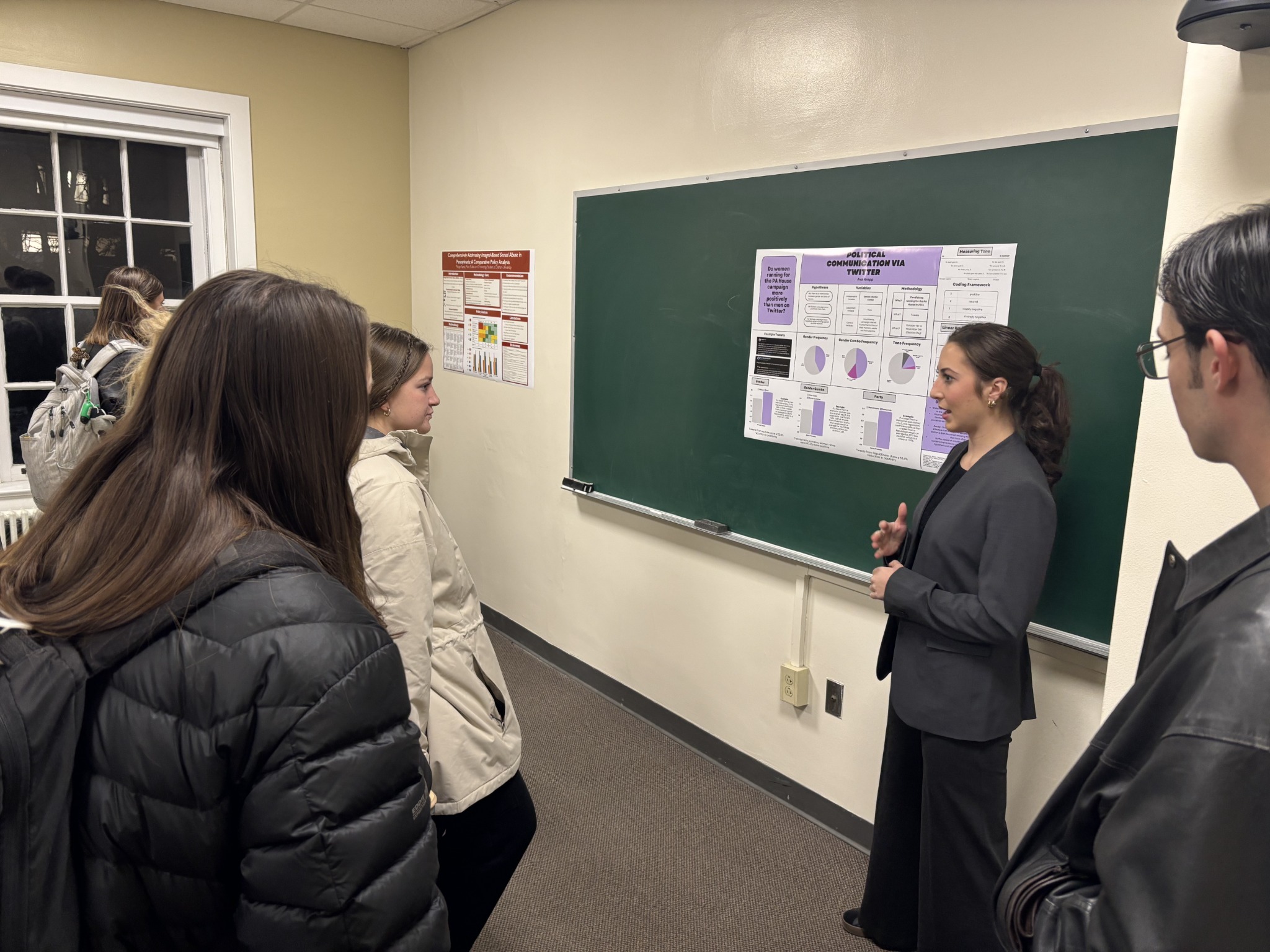
Students presenting research

Featured approach

Teaching Critical Thinking in a Digital World

Social media and artificial intelligence are part of the information environment students must learn to navigate. I help students ask better questions, assess evidence and sources, recognize persuasive framing, and use AI strategically without outsourcing their judgment.

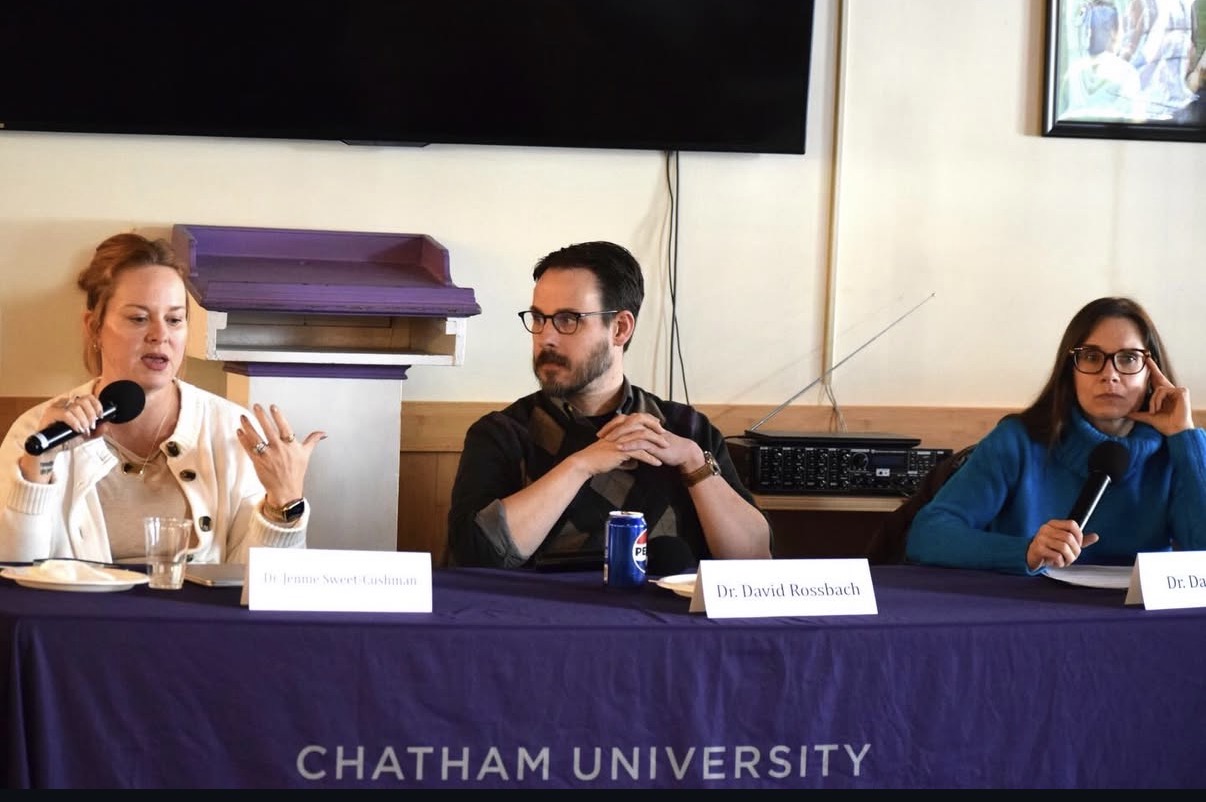
Panel discussion at Chatham

In the classroom

What I Teach

My courses focus on American politics and the institutions, people, and decisions that shape democratic life. Across these subjects, students learn to connect political science research to the questions they encounter as citizens, voters, and members of their communities.

Campaigns, Elections & Political Behavior

How do voters make decisions? How do parties, candidates, and campaigns shape political choices? Students examine elections through political psychology, political communication, and the behavior of voters and political actors.

Congress & American Political Institutions

Students investigate how political institutions work in practice, including legislative representation, parties, lawmaking, and the relationship between elected officials and the public.

Public Policy & State and Local Government

From defining public problems to evaluating alternative solutions, students explore how policy is made and contested. Local government and contemporary policy issues provide opportunities to apply analytical frameworks to real decisions.

Political Psychology

Why do people hold particular political attitudes, identify with groups, or respond emotionally to politics? This area brings psychological research to questions of political judgment, identity, persuasion, and participation.

Research, Analysis & Senior Capstone

In research-focused courses and capstone projects, I guide students as they develop questions, evaluate evidence, conduct original inquiry, and communicate findings to audiences beyond the classroom.

Civic Engagement Across the Curriculum

I integrate opportunities to practice civic skills—careful information evaluation, constructive dialogue, and intentional participation—into the study of politics rather than treating civic engagement as a separate topic.

Mentoring & recognition

I especially value mentoring students through independent inquiry and public-facing work, helping them develop their own questions and confidence as researchers.

Recognitions include the APSA/CQ Press Award for Teaching Innovation, the Gender and Politics Research Network Teaching Innovation Award, and Chatham University teaching and advising awards.